
Awww, bottling day! Be waiting to hear how it tastes! So far, so good
Sneezles61
1 Like
Thanks! Can’t wait to not bottle haha. Someday…will report back
1 Like
It’s all good. Bottle it and ensure it’s carbonated. Then pop them in the fridge to lager and clarify.
1 Like
Thanks! Does this particular beer appreciate a lagering, bottle or otherwise? I’m thinking most beers benefit from it. I legit need at least a mini fridge for all our bevs.
I feel this brew will. BUT… do be sure it’s carbed before you toss them in the fridge… if you could leave them at least 2 plus weeks, cold, it’ll benefit and so will your brew tasting tongue. I’d bet in 2 months, it’ll be at its best!
Sneezles61
1 Like
Interesting. Once it’s cold I almost lose all patience haha. But I will do my best, I think sounds like a plan. Thanks!
At least try stash some where they aren’t in easy view… may just forget, and find them further down the road.
Sneezles61
1 Like
Maybe I will stash some outside in a couple of boxes it’s so damn cold here.
1 Like
AFTER they are bottle conditioned… then a nice stash spot…
Sneezles61
1 Like
Be careful they don’t freeze and break the bottles
1 Like
Thanks for the advice guys. Good call on both counts
I feel every beer benefits from a period of cold aging as it will drop promote undesirable compounds out of suspension. I say that with the assumption that it’s within reason. Young drinkers such as IPA, Hazy, Hefeweizen won’t benefit too much from long aging periods.
2 Likes
I’m sure you’re right, which is why I find kegging so interesting. Seems like you can drink beers fairly young if you have a kegging setup. Do you cold age in the keg for a good while before pouring?
On a separate note, I have a little uKeg go that I filled with my brew today and charged (I think) with an 8g cartridge. Popped it in the fridge and plan on letting it sit for 3 days. UKeg recommends a 16g charge so I know I need to use another cylinder. Should I wait until the three days are up, charge again, and wait three more?
Kegging is another process to learn… basic idea… as the brews chills, it absorbs the gas… so adding some say in a couple days won’t hurt… sample some… if needed add more… only you will know when it’s good enuff.
Sneezles61
1 Like
You’re going to need a second mortgage if you’re using those cartridges to carbonate and serve. If I were you I would buy their ball lock keg top and use a cylinder to carbonate. Then use your current top to serve with a cartridge. If cylinder size is an issue I’ve seen them all the way down to 2-2.5lbs. Here is the lid I was speaking of:
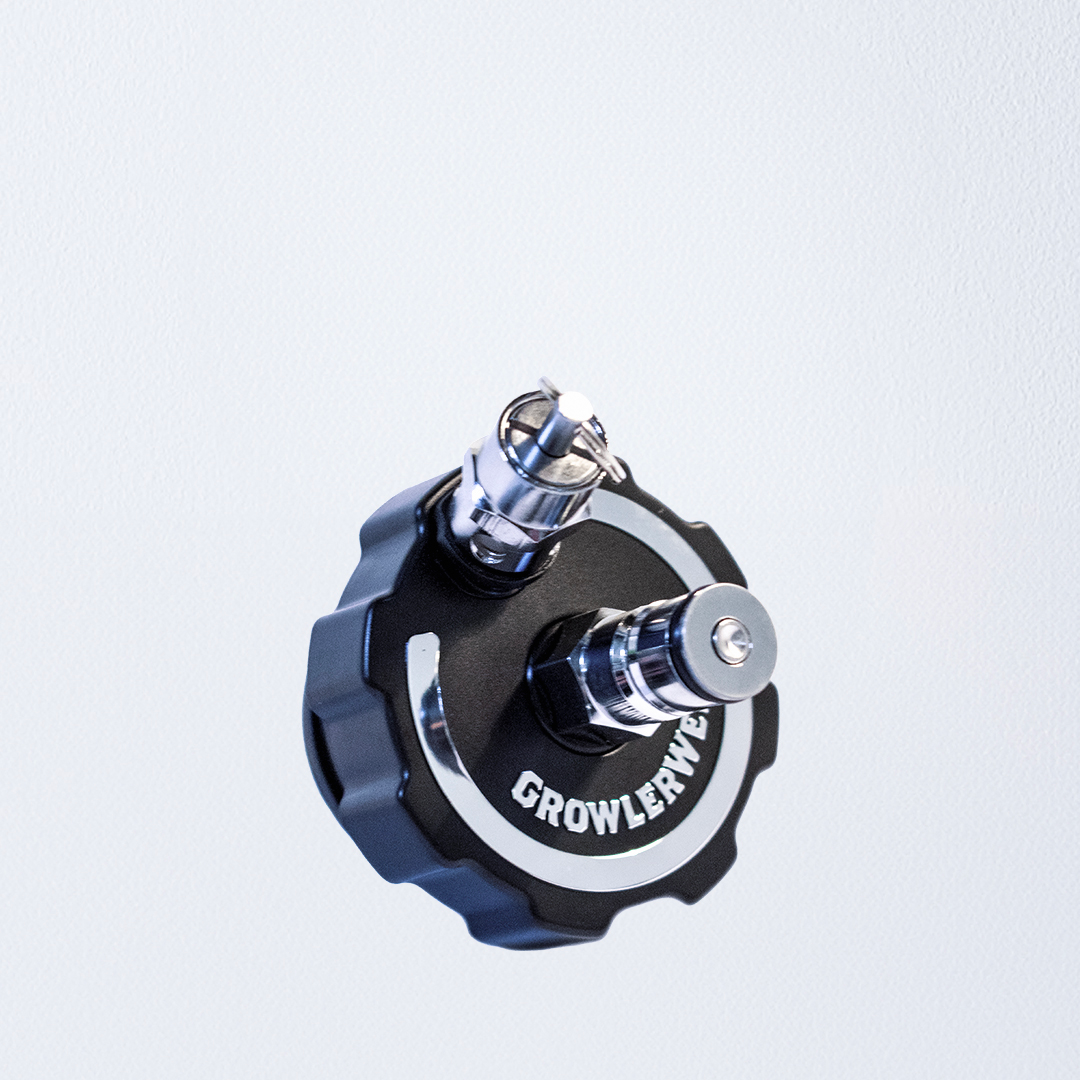
1 Like
[quote=“JustSomeChef, post:33, topic:10733, full:true”]
I’m sure you’re right, which is why I find kegging so interesting. Seems like you can drink beers fairly young if you have a kegging setup. Do you cold age in the keg for a good while before pouring? [/quote]
If you have the fridge space you can cold age in the bottle. Obviously kegging is easier as you just have one big bottle. I cold crash in my conicals first to try to get as clear of a beer going to keg as possible. I store each keg cold and the length depends on the style of beer, and, well how long it takes me to get through it. Young drinkers will get 2 weeks before going on tap as it takes that long for the CO2 to be absorbed AND hydrated. Hydration is key to a good tight bubble and head. Think soda/pop here. Hydration is the reason the head on a soda/pop that comes from a machine dissipates so quickly vs. the can (of course its ingredients don’t help).
Light lagers will get 4-6 weeks before going on tap, unless of course I have nothing to drink  . Darker lagers will get aged 6-8 weeks.
2 Likes
Thanks for all this info!! Agreed about the cylinder cost. Im using the uKeg go as a kind of tester to see where my beer is headed, I guess you could say. Plus I get to drink it a few days after packaging which is nice. I’d like to look more into ukeg and see what they have to offer.
My real issue with kegging is refrigeration space and the lack thereof, well and a kegging setup lol. I’d really like to upgrade but am still happy with bottling results though it is tedious.
I’ve never actually heard hydration enter the conversation in homebrew and am really interested to hear more about it. I had no idea it was a factor or what it really even does to homebrew.
I’ve not heard about rehydration… but if it’s what I think, it makes sense.
Forced carbonated keg is alright, but the beer is somewhat “flat”.
But one that has had a couple weeks mingling with CO2, is lively…
Sneezles61
2 Likes
The best way and cheapest is to sugar carb the mini. This you do outside your fridge which saves fridge space. After it’s conditioned put in the fridge and just use the mini cartridge to push it out. One cartridge is more than enough
2 Likes
Oh so your hydrating the CO2 and not the beer, now I get it
1 Like
